North Finchley house removals guide for narrow streets
Posted on 19/06/2026
North Finchley House Removals Guide for Narrow Streets
Moving house in North Finchley can feel straightforward on paper, then suddenly complicated the moment you look at the street outside. A parked car at the bend. A low wall. A neighbour's van already occupying the only sensible loading space. If you are searching for a North Finchley house removals guide for narrow streets, you probably already know the problem: the move itself is one thing, but the access is what makes or breaks the day.
This guide breaks down how to plan a move on tight residential roads, what experienced movers do differently, and how to avoid the small mistakes that create big delays. It is written for real life, not ideal conditions. Narrow streets are normal in parts of North Finchley; the trick is to treat them as a planning issue, not a surprise. And yes, that means thinking about vehicle size, parking, timing, packing, and the route to the front door before the first box is lifted.
If you want a broader look at the moving options available locally, it can also help to review the full range of removal services and compare them with your property type. For many moves, the most useful starting point is a properly planned house removals service in Finchley, especially where access is tight.
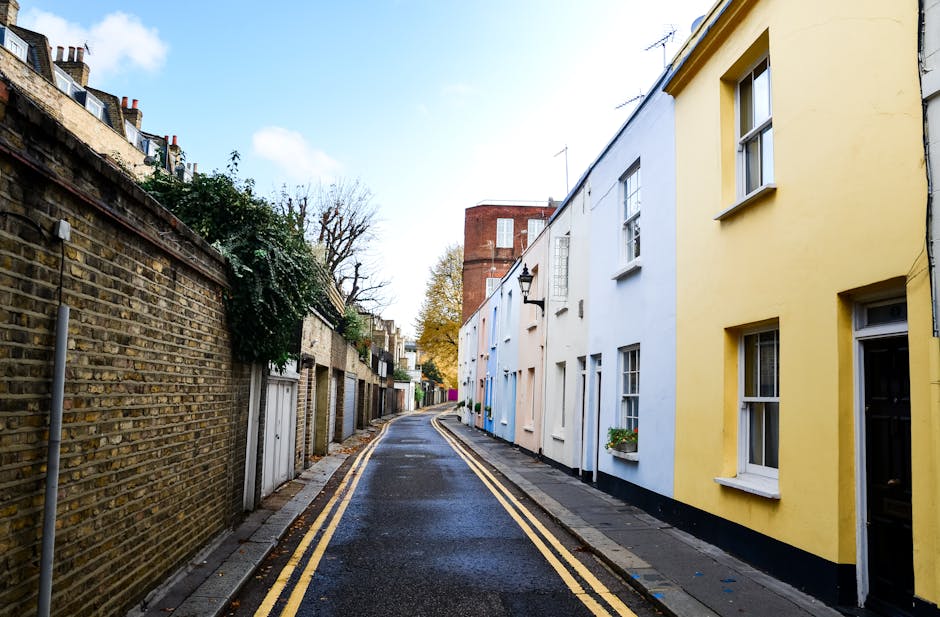
Why North Finchley House Removals Guide for Narrow Streets Matters
Narrow streets change the shape of a house move. That sounds obvious, but it is easy to underestimate just how much. A standard removal van can be perfectly suitable for the job in terms of capacity, yet still be awkward if it cannot stop safely near the property. When that happens, you get more carrying distance, more time, and more chances for damage.
In North Finchley, the issue is usually not one dramatic road closure or a single impossible junction. It is the everyday stuff: cars parked on both sides, side roads with limited turning room, front doors close to the carriageway, and properties where the best loading spot is also the place every local driver wants to use. On a quiet morning it may look manageable; by late morning, it can feel like the whole street has decided to test your patience.
This is why planning matters so much. The goal is not just to move furniture from A to B. It is to create a workable loading and unloading setup that protects your items, keeps the crew safe, and avoids upsetting neighbours or blocking traffic for no good reason. That is especially important if you are moving from a family house, a terraced property, or a home with awkward internal stairs.
Expert summary: The best narrow-street moves are won before moving day begins. Access planning, realistic vehicle choice, and disciplined packing usually save more time than any last-minute rush ever could.
If your property layout is more like a maisonette or upper-floor home, you may also want to compare this approach with flat removals in Finchley. Flats and narrow streets often create the same kind of access pressure, just in slightly different ways.
How North Finchley House Removals Guide for Narrow Streets Works
A good narrow-street move starts with assessment, not lifting. The moving team looks at the property, the street width, parking options, and the sort of furniture involved. In practice, this often means deciding whether a larger van can park close enough, or whether a smaller vehicle, shuttle loading, or staggered loading approach makes more sense.
There are a few moving parts here, and they matter more than people realise:
- Access distance: how far items must be carried from the van to the door.
- Vehicle positioning: whether the van can load safely without blocking neighbours or traffic.
- Stair and hallway width: important for wardrobes, sofas, beds, and white goods.
- Packaging quality: smaller, well-packed boxes are easier to carry through tight gaps.
- Timing: a quiet early slot can be much easier than a midday move, especially on residential streets.
In some cases, the work is done as a single direct run. In others, especially where parking is limited, the move is split into stages. That might mean loading the bulkier furniture first, then using smaller items to fill the remaining space. Truth be told, the "big van solves everything" idea falls apart quickly when a street simply does not allow a big van to sit comfortably outside the house.
If you are comparing providers, it is worth looking at local removal companies in Finchley and asking specific access questions rather than broad ones. Ask how they handle narrow roads, long carries, and awkward loading bays. The quality of the answer tells you a lot.
Key Benefits and Practical Advantages
When narrow-street removals are planned properly, the benefits are surprisingly practical. You save time. You reduce stress. You lower the risk of bumped walls, scratched furniture, and frustrated neighbours staring out of upstairs windows. Also, let's face it, nobody wants to spend the first hour in a new home arguing over a double-parked van.
Here are the main advantages of a well-run move in a tight North Finchley street:
- Faster loading and unloading: less wandering back and forth, fewer unnecessary trips.
- Better protection for furniture: fewer awkward turns and fewer pinch points.
- Lower chance of delays: especially where parking is scarce or busy at school-run times.
- Less disruption to neighbours: loading is smoother and more considerate.
- More accurate scheduling: when the access plan is clear, arrival times are more realistic.
There is also a mental benefit that people sometimes overlook. Once you know the street plan is sorted, the rest of the move feels more manageable. That calm matters. It changes the whole day.
If you need extra capacity for bulky items, pairing the right vehicle with furniture removals support can help with sofas, beds, dining tables, and the sort of awkward pieces that never seem to fit through doors on the first attempt.
Who This Is For and When It Makes Sense
This guide is most useful if you live on, or are moving to or from, a street where access is constrained. That includes narrow residential roads, short terraces, cul-de-sacs with awkward turns, and homes where the front door opens directly onto a limited parking area. It also applies if your route involves a mix of narrow streets and busy nearby roads where stopping is tricky.
It makes sense for:
- family homes in older residential streets
- shared houses with several flights of internal stairs
- flat moves where the van cannot park right outside
- student moves with a lot of boxes but not much parking space
- short-notice or same-week moves where the street access is already stressful
One common scenario is a family leaving a house where a large sofa, a cot, and two wardrobes all need to be moved from a narrow hallway. Another is someone moving into a top-floor flat on a road where every parking bay is full by breakfast time. Different situations, same basic challenge: the access determines the pace.
If you are in a more time-sensitive situation, it may be worth exploring same-day removals in Finchley, though it is always better to book in advance if you can. Same-day help can be useful, but narrow streets still need planning. They do not magically become wider at short notice. Sadly.
Step-by-Step Guidance
Here is a practical way to approach a narrow-street move without feeling overwhelmed.
- Measure the access properly. Look at the street width, kerb space, doorway size, staircase turns, and any low branches or railings. A rough look is helpful; a careful look is better.
- Identify parking and stopping options. Work out where a van could stop safely, even for a short time. If there is no obvious spot, the moving plan needs to account for that from the start.
- Sort your largest items first. Sofas, beds, wardrobes, and appliances should be listed early. These items often decide the vehicle size.
- Pack to suit the route. Smaller boxes are easier to carry through narrow halls and tight stairwells. Heavy books in tiny boxes, lighter items in bigger boxes. That old rule still saves backs.
- Label clearly. If the crew has to make longer trips from van to property, clear labels reduce confusion and speed up placement in the right rooms.
- Prepare the property. Remove mats, clear hallways, and protect surfaces where needed. It sounds small, but it saves hassle.
- Choose a realistic moving time. Early morning can be calmer on residential roads. Midday can be busier than people expect. Time matters.
- Confirm the plan the day before. Recheck access notes, parking assumptions, contact details, and any special items like antiques or a piano.
That last point is more important than it sounds. The difference between a tidy move and a frazzled one is often just one missing detail, like the fact that the only parking option is now occupied by a contractor's van. Slightly annoying? Yes. Completely avoidable? Often.
For delicate or unusually heavy items, look at specialised support such as piano removals in Finchley. The principles are the same on narrow streets: protect the item, reduce handling, and keep the route under control.
Expert Tips for Better Results
These are the little habits that make a noticeable difference in tight-access moves.
- Use smaller boxes than you think you need. Bigger boxes are tempting, but they are harder to carry through narrow passages and more likely to split.
- Keep a clear "first out, last out" zone. Put essentials and fragile items where they can be reached without unpacking half the van.
- Protect corners and thresholds. A doorway ding is much easier to avoid than to repair.
- Reserve one person for coordination. If everyone carries items and nobody watches the route, mistakes happen. Simple as that.
- Tell neighbours early if possible. A quick heads-up can reduce friction, especially on a street where the van may need to pause briefly.
Another useful tip: do not overestimate how much can be safely moved in one go down a narrow path. Two careful trips beat one reckless one. Every time.
And if your move is part of a bigger life change, maybe tied to a new school run or a growing household, it can help to read broader local context such as why Finchley works so well for family life. It is a different subject, but the local perspective often makes moving decisions feel more grounded.

Common Mistakes to Avoid
The most common narrow-street mistakes are usually simple, not dramatic. They are the kind of things people say they will "sort later," then later becomes moving day morning and everybody is suddenly in a rush.
- Booking a van too large for the street. Capacity is useless if the vehicle cannot get close enough to the property.
- Assuming parking will be available. It often isn't, particularly in busy residential pockets.
- Packing heavy boxes badly. A box that is too heavy becomes awkward on stairs and harder to control in tight corridors.
- Leaving furniture partly dismantled. If a wardrobe needs to be broken down, do it properly rather than hoping it will squeeze through.
- Ignoring neighbours and access etiquette. If you block a driveway or sit with hazard lights flashing for too long, tension rises fast.
- Not checking insurance and handling terms. This is the boring bit, but it matters.
To be fair, most people are not trying to make the move harder. They are just juggling a lot at once. But narrow streets punish guesswork. They really do.
If you are moving with several rooms of furniture, the right vehicle and method are essential. A sensible starting point is to compare a standard man with a van in Finchley approach with a more structured man and van service in Finchley, especially where loading needs to be quick and flexible.
Tools, Resources and Recommendations
You do not need a warehouse of fancy equipment to manage a narrow-street move well. A few practical tools make life much easier.
- Furniture blankets and covers: useful for protecting surfaces when turning corners in tight spaces.
- Sturdy tape and labels: essential for keeping boxes organised and traceable.
- Hand truck or sack barrow: helpful for heavier items where the path allows it.
- Wardrobe boxes and small cartons: they reduce awkward handling and keep clothing and lightweight items tidy.
- Protective floor coverings: sensible where hallways are narrow or surfaces are delicate.
In terms of services, many people benefit from combining removals with packing help or temporary storage. If you are not ready to move everything at once, storage in Finchley can take pressure off the schedule. Likewise, good packing and boxes support can make the whole process cleaner and calmer.
If you are looking at a move that involves a mix of property types or a less conventional load, a broader service page such as removal services in Finchley can help you match the right level of support to the job. That is often better than trying to force every move into the same box. Literally and figuratively.
Law, Compliance, Standards, or Best Practice
For house removals, the main compliance concerns are usually practical rather than complicated: safe loading, road courtesy, property protection, and clear service terms. In the UK, removal work is commonly guided by sensible health and safety practices, careful manual handling, and fair communication with the customer about what is and is not included.
For a narrow-street move, the most relevant best practices are:
- Safe manual handling: loads should be carried in a way that reduces the risk of injury.
- Appropriate vehicle use: the vehicle should suit the access conditions, not just the load size.
- Careful risk awareness: tight turns, low ceilings, wet pavements, and uneven kerbs all change the risk picture.
- Insurance and responsibility clarity: customers should know how items are handled and what cover applies.
- Respect for neighbours and public access: blocking roads or driveways creates avoidable problems.
It is also wise to check the mover's published policies, because good companies are usually happy to be transparent. For example, reviewing health and safety information and insurance and safety details can give you a better sense of how seriously a provider treats risk.
And while nobody wants to read terms and conditions for fun, they matter more in tight-access jobs than people think. If a van can only stop briefly or access depends on specific parking conditions, the service terms should be clear. That avoids awkward surprises later, which is exactly what you do not want on moving day.
Options, Methods, or Comparison Table
Different narrow-street moves need different approaches. There is no one-size-fits-all solution, and anyone who says otherwise is probably selling something. Here is a simple comparison to help you think it through.
| Method | Best for | Pros | Watch-outs |
|---|---|---|---|
| Large removal van | Heavier loads where the street can take a bigger vehicle | Efficient for full-house moves, fewer trips | May be hard to park or turn in narrow roads |
| Smaller man and van setup | Tight streets, lighter loads, quick access | More flexible, easier to position, often faster for awkward access | May require more trips for larger homes |
| Staged loading | Properties with limited stopping space | Good for controlling traffic flow and handling heavy items safely | Needs more coordination and time |
| Storage-first move | Anyone moving in phases or renovating | Reduces pressure on moving day, especially with access issues | Extra planning needed for what stays in storage |
If you are comparing choices, a careful man with a van service in Finchley may be ideal for narrow streets where flexibility matters more than raw volume. For bigger domestic relocations, though, a dedicated removal van can still be the best fit if access is workable.
Case Study or Real-World Example
Here is a realistic example. A family moving from a two-storey house on a narrow residential street in North Finchley had a few bulky items: a corner sofa, a bed frame, a fridge-freezer, several cartons of books, and children's furniture. On first inspection, the road looked fine. But once a few neighbours' cars were in place, the available loading space shrank fast.
The solution was not heroic lifting. It was a simple, tidy plan. The crew arrived early, loaded the biggest items first, and used smaller boxes to keep the route manageable. One person stayed focused on access and vehicle placement. The family had already packed essentials separately, which made the final unload much smoother. No drama. No shouting. A little sweating, maybe, but that is moving day for you.
What made it work was preparation: realistic vehicle choice, clear item labelling, and a refusal to pretend the road was wider than it was. That is the pattern you see again and again in successful narrow-street removals. The move goes well because somebody took the access seriously in advance.
For readers who are moving from a smaller property or looking for a more compact service style, the experience described in this Finchley Central man and van article can be a useful point of comparison. Different property type, same underlying truth: access planning saves headaches.
Practical Checklist
Use this checklist a few days before the move, then again the night before. It keeps the essentials in view when everything else is getting noisy.
- Measure the route from front door to van space
- Check for parking restrictions or likely congestion
- Confirm van size is suitable for the street
- List bulky furniture and awkward items separately
- Pack heavy items into smaller boxes
- Label boxes by room and priority
- Protect corners, floors, and doorframes
- Keep essential documents and valuables with you
- Tell neighbours if the move may briefly affect access
- Reconfirm arrival time and access notes the day before
That is the core of it, really. Not glamorous, but effective.
If you still have questions about next steps or want to talk through a specific street layout, you can review the company's about page and check the testimonials section to get a feel for how other local moves have been handled. A little reassurance goes a long way when you are staring at a narrow road with a wardrobe on the calendar.
Conclusion
Moving house on a narrow North Finchley street is not difficult because it is impossible. It is difficult because the details matter. Once you understand the access, choose the right vehicle, pack with the route in mind, and keep the process calm and organised, the whole move becomes much more manageable.
The real win is not speed for its own sake. It is a move that feels controlled, respectful, and safe from the first box to the last chair leg. If you get those basics right, narrow streets stop feeling like a problem and start feeling like a planning task you have already solved.
Get a free quote today and see how much you can save.
And if you are still at the thinking stage, that is fine too. A good move starts with a good plan, and the best plans usually begin with one honest look at the street outside.