Finchley man and van removals for homes, flats and small business moves
We provide Finchley man and van removals for homes, flats and small business moves, with practical help for loading, transport and careful placement at the other end. The service suits customers who want a straightforward moving vehicle with extra hands rather than a large-scale removal operation. It can support single-item transport, part-load work, room-by-room moving and local or longer-distance journeys when the job calls for flexibility.
Our man and van service is built around moving items safely and sensibly, rather than turning every move into a full-house project. That makes it useful for wardrobes, beds, white goods, boxed belongings, office equipment and mixed loads that need tidy handling. We focus on practical movement of goods, clear communication before the job and a smooth handover once items reach the destination.
For customers comparing options, the main difference is usually scale. A man and van arrangement is often chosen when the move is too much for a normal car but does not need a large lorry or a multi-crew operation. It can be a sensible fit for landlords, tenants, students, tradespeople and anyone moving a modest amount of furniture without unnecessary complexity. It is also useful for fragmented loads that do not fill a whole vehicle but still need organised transport.
What the service covers
Our work can include lifting from upstairs rooms, carrying items through communal areas, loading from driveways or forecourts, and placing belongings where they are wanted at the destination. A good move depends on handling the items in the right order, protecting surfaces where possible and planning access so the journey is efficient. The service can be adapted for awkward shapes, mixed weights and fragile belongings that should not be stacked carelessly.
We also help with removals that sit somewhere between a courier delivery and a complete relocation. That means smaller home moves, furniture collection, relocated office contents and transfer of equipment between addresses. If a customer needs a measured amount of help rather than a rigid package, a van-and-labour setup can be a practical answer. It gives room to manage the work properly without adding more complexity than the move requires.
Typical jobs may involve one van, a practical loading plan and careful sequencing of the items being moved. For example, heavy pieces are often loaded first and secured before lighter boxes or softer goods are added. Delicate items may need extra wrapping or separation from harder materials. This type of service works best when the customer wants the move handled in a sensible, hands-on way from start to finish.
Home moves and furniture transport

Our home moves page covers domestic moving work where the main need is to transfer furniture, boxes and household possessions with care. This can include studio flats, shared houses, single-storey properties and smaller family moves. The emphasis is on getting belongings out cleanly, moving them securely and settling them into the new property without needless delay or confusion.
Furniture transport is often the most visible part of a domestic move, but it is rarely just about size. Sofas, tables, cabinets, mattresses and similar pieces can be awkward because of corners, stairs, lift access or the need to protect finishes. Our approach is to treat each item according to its shape and vulnerability, rather than assuming every piece can be moved in the same way. That attention helps reduce knocks, scuffs and strained handling.
When planning a home move, it helps to separate items into what must travel in the vehicle, what should be kept accessible and what needs extra handling. A short list is often enough to make the process more orderly:
- large furniture and appliances
- boxed household contents
- fragile or high-value items
- items needing disassembly or reassembly
- objects that will be taken first or last
Packing support and preparation
For moves that need a little more structure, our packing and unpacking services can support the removal work. Packing is not simply a matter of filling boxes; it is about grouping items sensibly, protecting breakables and keeping essential things easy to identify when they arrive. Well-packed loads tend to move more safely and can be unloaded with less sorting at the destination.
Preparation also matters when the move involves stairs, shared entrances or limited parking. The best results usually come from knowing in advance what will travel, what needs wrapping, and which pieces should be dismantled before loading. Two practical points are especially helpful: first, keep a small set of essentials separate for immediate use; second, label anything fragile or awkward so it can be handled with the right care. This is simple advice, but it prevents confusion when the moving day is underway.
We can also work around items that need to be carried in a particular order, such as soft furnishings that should not be crushed beneath harder goods. In practical terms, that means thinking about access, sequence and space inside the vehicle. A move becomes easier when the load plan matches the contents rather than forcing the contents to fit a poor plan. That is where a calm, methodical packing approach helps most.
Local collections and item pick-up
Sometimes the need is not a full move but a specific collection, and that is where furniture pick-up can be useful. A collection may involve a single item bought privately, a set of household pieces being moved between addresses or furniture being taken from a seller, storage point or relative’s home. The job still benefits from proper loading, suitable protection and a vehicle that matches the dimensions of the item.
Item pick-up work can be especially useful when a customer wants to avoid hiring an unsuitable car or asking friends to help with something heavy. Furniture needs to be handled so that legs, surfaces and joints are not damaged during lifting. We can help with the practical side of the collection, then carry the item through to the drop-off point in a manner that suits the layout of the destination property.
This kind of job often works best when details are kept precise. If the item is bulky, assembled or fragile, those facts affect the lifting method and space required inside the van. If several pieces are being collected together, it is worth treating them as one organised load rather than a loose collection of objects. That keeps the move controlled and makes timing more predictable.
Commercial moves and office relocation

Our commercial moves service supports businesses that need equipment, stock, furniture or archive material transferred without turning the day into a major disruption. This can suit small offices, studios, workshops and local operations that need a tidy relocation or an internal move between premises. The aim is to keep the work orderly, minimise handling errors and move items in a way that suits business use.
For workplace moves, the main concern is usually the mix of items rather than sheer volume. Desks, chairs, filing units, monitors, boxed records and trade supplies all behave differently in the vehicle. Some items need to remain upright; others need separating so they do not rub or topple. A measured moving plan makes the process easier for staff and helps the destination space receive the goods in a usable condition.
We also handle larger office-focused jobs through our office removals service, which is suitable when desks, storage, IT equipment and paperwork all need to move together. Businesses often prefer a straightforward arrangement that keeps equipment together and avoids unnecessary disruption to operations. The right move is one where the equipment arrives in a sensible order and can be put back to work without wasting time.
Home and office removal options
For customers comparing wider removal choices, our removal services page covers the general range of moving work available through the business. This can help where a job is not just a van hire task, but a more complete removals arrangement with loading, transport and unloading included. The value of a broad service is that it can be matched more closely to the shape of the move.
Some customers need support with a house move, others with a workplace move, and some with a mix of both. A flexible removals approach allows those jobs to be handled without forcing them into a single standard. If the move includes furniture, boxes, appliances and smaller loose goods, each part can be considered in context. That keeps the process realistic and avoids underestimating what the job requires.
Where a move has specific handling needs, the goal is to match the vehicle and labour to the item type. That may mean taking more care with soft furnishings, giving extra room to stacked boxes or leaving enough separation for fragile equipment. Good removals are organised removals, and a clear structure usually matters more than any fancy promise. The right choice is the one that suits the actual load.
About Finchley
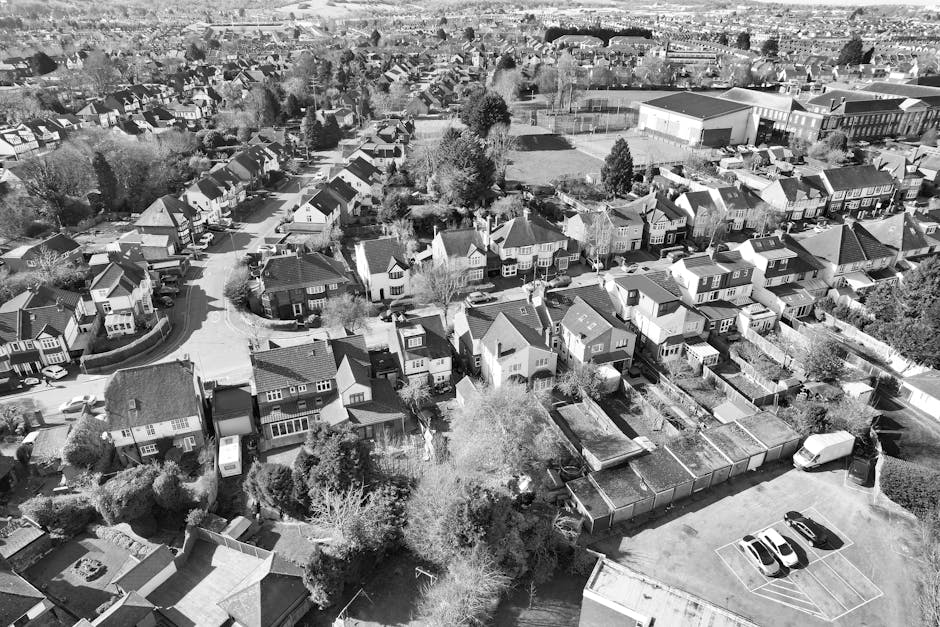
Finchley is a long-established district in north London, historically part of Middlesex and now within the London Borough of Barnet. It is commonly divided into East Finchley, Finchley Central, North Finchley and West Finchley, each with its own character and transport links. The area sits on the ground of former villages that were gradually absorbed into the expanding city, so traces of older settlement sit alongside later suburban development. Finchley Central has a strong association with the High Road and surrounding residential streets, while East Finchley is known for its distinctive village-like centre and the well-known underground station designed by Charles Holden. North Finchley has a busier commercial core, with the Tally Ho Corner area acting as a local focal point. Across the district, a mix of Victorian and interwar housing sits alongside later flats and local shops, reflecting the long period during which Finchley developed as a suburb rather than a single planned estate. The area also retains pockets of green space and varied streetscapes that give it a less uniform feel than some inner London districts. History, transport, shopping and housing all combine to make Finchley a place with several connected centres rather than one single heart, and that layered structure is part of what gives the district its character.
Pricing, access and the way quotes are prepared
Our pricing and quotes page is the best place to start when you want to understand how a move is put together commercially. In this kind of work, the price usually depends on the amount to move, the ease of access, the distance travelled and whether extra handling is needed for bulky or delicate items. Those factors affect the time and effort involved, so it is sensible to treat each move on its own terms rather than assuming a standard pattern.
Useful quote details normally include the collection and delivery points, the kinds of items involved and any access issues such as stairs, narrow entrances or parking limits. A rough inventory can be enough to begin shaping an estimate, particularly if the job includes furniture or mixed household goods. It is also helpful to mention whether the move is one-way, return, part-load or collection-only, because each of those arrangements affects the work differently. Clear information makes the quotation more realistic and easier to compare.
If you are preparing to enquire, keep the essentials together: item list, addresses, dates and any special handling requirements. That is usually enough for the first conversation. Contact us when you are ready and ask for a quotation for your Finchley move.
Transport, unloading and aftercare

Our removal van option supports the physical transport stage of the job, which is often where planning matters most. The right vehicle choice helps with safer stacking, better use of space and more predictable unloading at the other end. When the load is arranged thoughtfully, items are less likely to shift and the move can be completed with fewer interruptions.
Unloading is more than simply taking items off the van and leaving them in one room. The destination may have stairs, tight halls, lift access or furniture that needs to go to specific floors. Careful unloading keeps the process orderly and reduces the risk of blocking entrances or mixing up rooms. If requested, the work can be directed so essential furniture and boxes are placed where they are most useful first.
Aftercare is best thought of as the final stage of an organised move rather than a separate service. That stage may include a quick check that the main pieces are in the right place and that nothing has been left behind in the vehicle. A methodical end to the job is especially helpful where the items form part of a home setup or a working office and need to be usable without extra sorting.
Why customers choose a man and van approach
A man and van setup is often chosen because it gives more flexibility than a rigid removals package. It can suit people who are moving a few rooms of furniture, transferring a small office load or collecting items from different locations. The combination of vehicle space and practical help means the job can be scaled to the actual amount of work, which is often the simplest and most economical approach in everyday moving.
It can also be a good option when timing matters but the job is not large enough to justify a bigger operation. That does not mean the work is rushed; it means the setup is matched to the task. For customers who want an uncomplicated move, the emphasis is on steady loading, sensible planning and clear communication rather than surplus formality. If you need support with a straightforward local move, start with a brief enquiry and ask for a quotation.
The most useful preparation is often practical rather than dramatic. Keep items grouped, identify anything fragile and think about which pieces should travel together. Once that is done, the rest of the job is usually about carrying out the move in a calm, organised way. Simple planning tends to create a simpler removal, especially when the load is mixed and the destination has its own access challenges.
Useful ways to organise your move

There are a few straightforward decisions that can make a moving day work more smoothly. First, decide what is definitely going and what is staying behind, because uncertainty creates delays. Second, separate anything fragile, heavy or especially valuable so it can be handled in the right order. Third, if there are items being collected from more than one point, tell us the sequence early so the route and loading plan can be arranged properly. These points are small, but they keep the work efficient and predictable.
It is also helpful to think about the physical path from property to vehicle. Wide hallways, narrow stairs, shared entrances and restricted parking all affect how a load should be managed. When those facts are known in advance, the move can be arranged more sensibly and the right level of help can be applied. That is true whether the job is a household relocation, an office move or a furniture collection. The more accurately the move is described, the more useful the quotation will be.
If you need Finchley man and van removals for a home, office or collection, get in touch for a quotation and tell us what needs moving. You can describe the load in ordinary terms; a short, clear outline is enough to begin. We will use that information to shape a practical removals plan for the job.